Sell Land Online in FL: Guide for Landowners
How to Sell Land in Florida
Selling land in Florida is entirely doable on your own, and the internet has made it easier than ever. Whether you own raw land in a rural county or a well-positioned piece of land near a growing metro, you have several solid options available to you today.
The most straightforward path is to sell your land online through a dedicated land marketplace, list it on a general platform for selling land like Zillow or LandWatch, or sell land on Facebook Marketplace to reach local buyers. Each approach has its trade-offs, and the right choice depends on your timeline, your type of land, and how much work you want to handle yourself.
To successfully sell land, you need to price your land competitively, present it accurately, and understand the legal steps involved in a land transaction. This guide walks you through all of it. You'll learn how to advertise your land effectively, avoid common pitfalls when selling land, and decide whether to hire a real estate professional or go the owner route. If speed matters, knowing your options upfront can save you months of frustration.
Understanding the Online Land Market in Florida
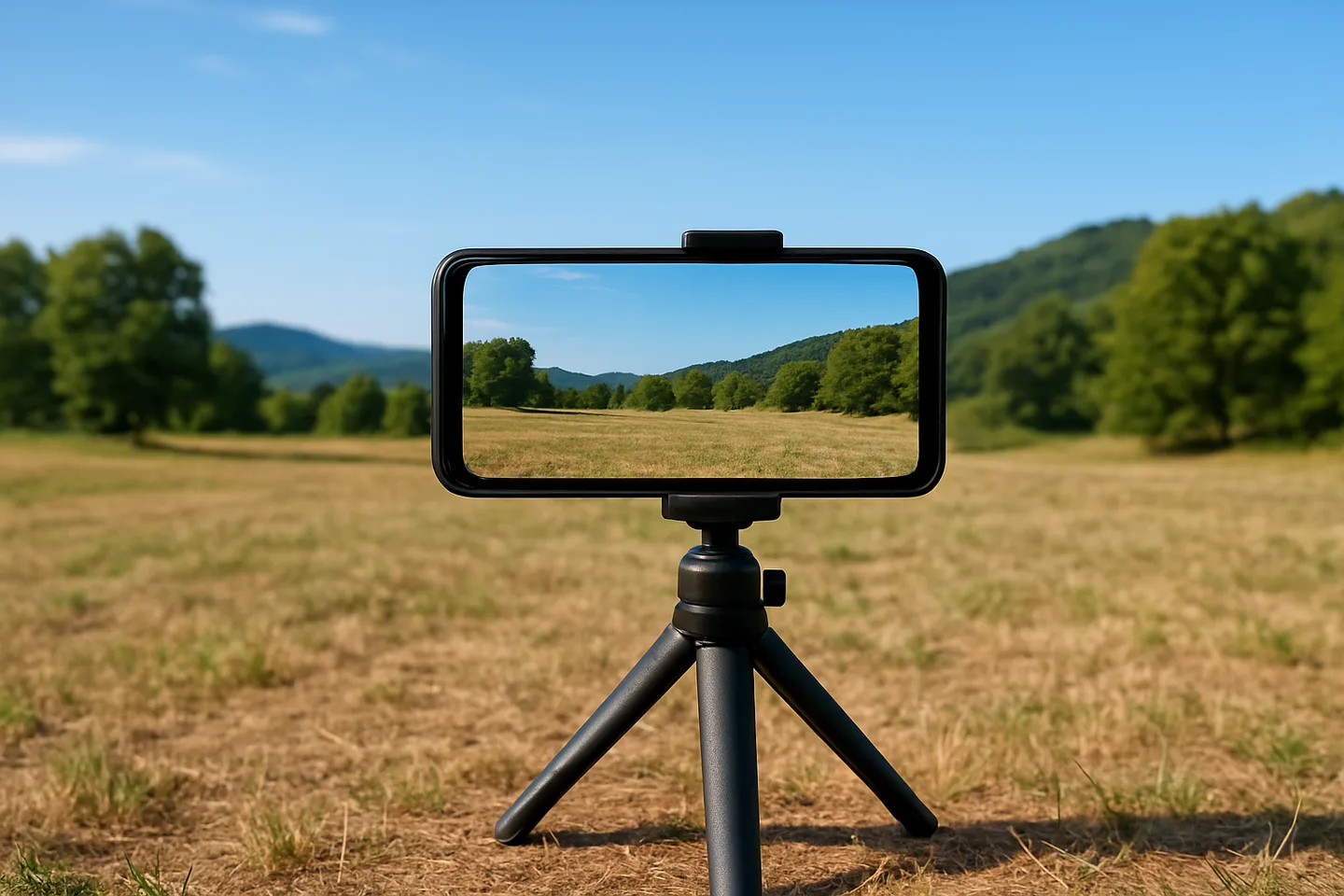
Florida's land market is genuinely diverse. From timberland in the Panhandle to agricultural acreage in Central Florida to vacant land on the edge of expanding suburbs, the state attracts buyers with a wide range of goals. Understanding who is interested in buying land in your area, and what they plan to do with it, shapes how you position your property and where you list it.
If you want to sell land online without hiring a professional, you have more tools at your disposal than ever before. Dedicated land platforms have grown substantially over the past decade. Websites like LandWatch, Lands of America, and Land And Farm draw buyers who are actively searching for rural and undeveloped acreage. Listing on an online platform like one of these puts your property in front of people who are already in buying mode, not just casually browsing.
That said, not every platform serves every seller equally. The best way to sell land online depends on your property's location, size, and land use potential. A large agricultural tract in North Florida may perform well on a niche rural listing site, while a smaller lot near a developed area might get more traction through a general real estate marketplace. Your land listing should match where your likely buyer is actually looking.
One thing worth understanding: vacant land is one of the more specialized types of real estate, and not all real estate professionals have deep experience with it. Agents are land-focused to varying degrees, so if you do consider working with one, look for someone with a track record in land sales specifically.
For many owners, the most practical way to sell your land quickly is selling directly to a cash buyer. Land investors and companies that buy land by owner skip the traditional listing process entirely. This allows you to sell without repairs, staging, or waiting on bank financing. The trade-off is that you may accept a lower price in exchange for certainty and speed. If you need to sell your land quickly and want a clean, straightforward process, it is a legitimate and often underappreciated option.
There are also legal considerations when selling land privately that are easy to overlook. Florida law requires sellers to disclose material facts that affect the value of a property. Under the standard established in Johnson v. Davis (1985), if you know something that would matter to a buyer, you are generally obligated to disclose it. Working with real estate professionals, even in a limited advisory role, can help you stay on the right side of these requirements.
Whether you want to sell your land through a full listing or prefer a quieter off-market path, market your land to the right audience first. Research comparable sales for land in your area, understand what buyers are paying, and know the strengths of your parcel before you set a number.
Step-by-Step: How to Sell Land Online in Florida
Selling land online in Florida involves more moving parts than most people expect, but a clear process makes it manageable. Here is a practical breakdown of how to approach it.
1. Research Your Market and Set a Realistic Price
Before anything else, look at what similar plots of land have sold for in your county. Vacant land does not appraise the same way a home does, so comparable sales data matters more than any online estimate tool. Check recent sales through your county property appraiser's website, or look at active listings on land-specific platforms to understand the real estate market in your area. Pricing too high leaves you sitting for months; pricing too low leaves money on the table.
2. Gather Your Property Information
Buyers need specifics. Pull together your parcel number, legal description, survey (if available), zoning classification, and any information related to land access or utilities. If your property is agricultural land or has development potential, document that clearly. Unique selling points like road frontage, water access, or proximity to a growing area can significantly increase buyer interest.
3. Choose Where to List
There are many online options worth considering. To list your land for free or at low cost, platforms like Craigslist and Facebook Marketplace are accessible starting points. For more targeted exposure, paid listings on LandWatch or Lands of America get your land in front of serious buyers. Selling your land by owner through these channels means you handle inquiries and negotiations directly, which requires time but saves on commission. If you prefer support, you can work with a land broker who specializes in these transactions.
4. Write a Clear, Honest Listing
Avoid vague descriptions. A good listing explains the size, location, access, zoning, and any known limitations. Be upfront about what the land is and is not. This reduces wasted inquiries and builds trust with serious buyers. To avoid pitfalls when selling land online, never overstate a feature you cannot verify.
5. Use Photos and Maps
Visual content matters. Upload aerial images, boundary maps, and ground-level photos. Many buyers researching land online are evaluating properties remotely, so strong visuals do a lot of the selling for you.
6. Manage Inquiries and Negotiate
Respond promptly to any interest. Land by owner sales require you to vet buyers, negotiate terms, and stay organized. Be prepared to answer questions about zoning, utilities, and access.
7. Handle the Closing
Real estate transactions in Florida require a deed, proper tax disclosures, and typically a title search. A real estate attorney or title company can manage the closing even if you handled the sale yourself.
Land By Owner: Key Considerations in Florida
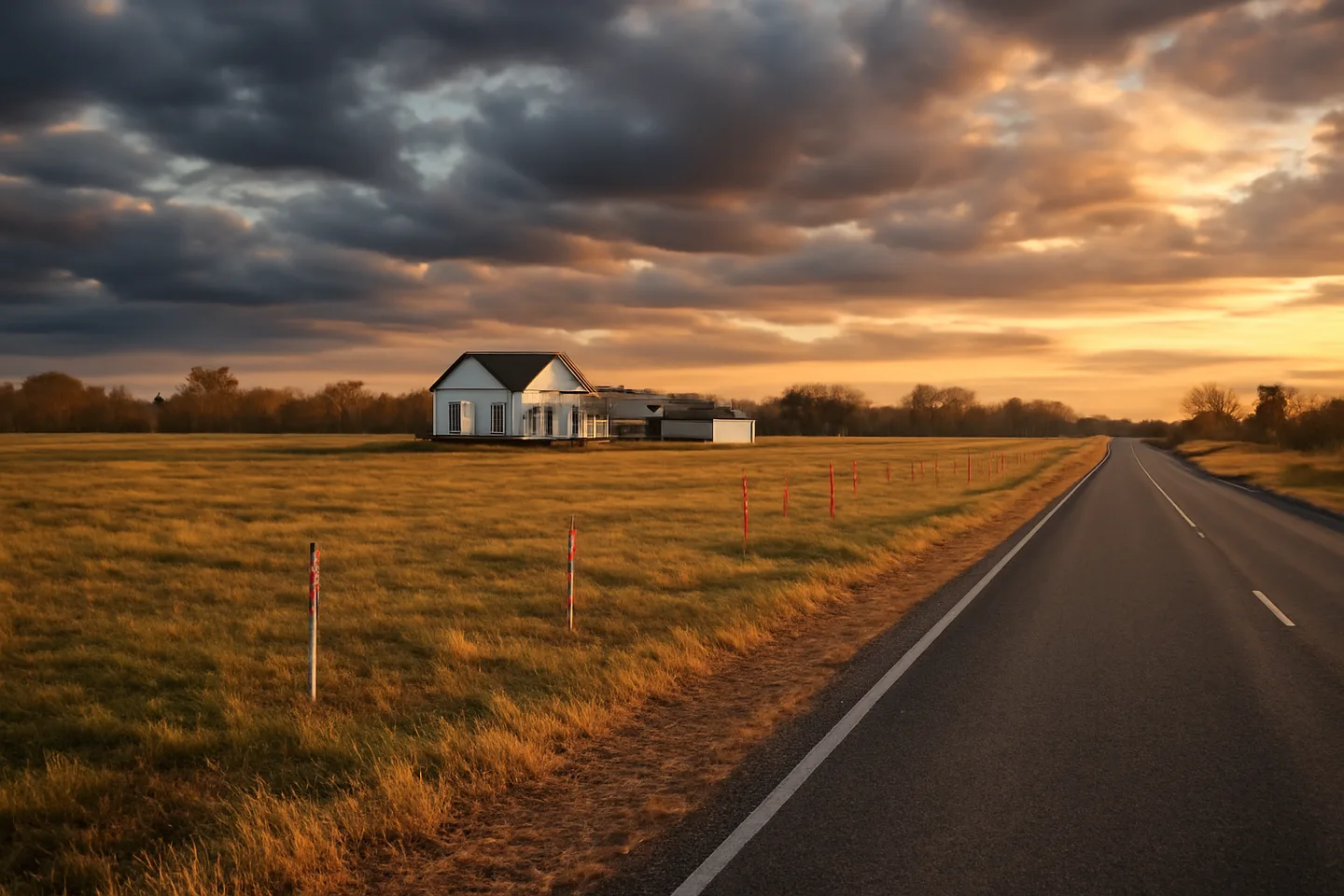
Selling land online in Florida without a real estate agent is legal and increasingly common. Before you go that route, however, there are some Florida-specific details you should know.
Documentary Stamp Tax
One cost many sellers overlook is the documentary stamp tax. According to the Florida Department of Revenue, in all counties except Miami-Dade, the rate is $0.70 per $100 of the sale price. On a $300,000 land sale, that comes to $2,100. Miami-Dade County uses a different structure for non-residential transfers including vacant land: a base rate of $0.60 per $100 plus a $0.45 per $100 surtax, for a combined rate of $1.05 per $100. Knowing these costs in advance helps you price your property accurately and avoid surprises at closing.
Non-compliance carries real consequences. Under Section 201.17 of the Florida Statutes, failing to pay the documentary stamp tax can result in a penalty of 50% of the unpaid amount, plus interest. In cases of intentional evasion, criminal charges are also possible.
Capital Gains Tax
Here is some genuinely good news for Florida sellers: the state has no state income tax and therefore imposes no state-level capital gains tax on a land sale. According to the Florida Department of Revenue, sellers owe only federal capital gains taxes on their profits. If you have held the property for more than one year, federal long-term capital gains rates of 0%, 15%, or 20% apply depending on your income. Short-term gains on land held one year or less are taxed at ordinary income rates.
Disclosure Requirements
If you need to sell your property without a real estate agent handling disclosures, you are still legally obligated to disclose material facts. Florida also requires sellers to provide a property tax disclosure summary under Florida Statute 689.261, which informs prospective land buyers that a change of ownership can trigger a reassessment and higher property taxes.
Wondering how to sell land online for free and still handle this correctly? It is possible to put your land on a free platform and manage the process yourself. Just make sure you understand what needs to be disclosed and get a title company involved for the closing. A title search protects both you and the land buyer by confirming there are no liens or ownership disputes.
Whether you buy and sell land regularly or this is your first time, understanding the legal and tax landscape before you go live with a listing makes the whole process smoother. Selling online is efficient, but the legal steps still apply regardless of where or how you find your buyer.
Common Questions About Websites To Sell Land
What is the best site to sell land?
There is no single answer that fits everyone, but a few platforms consistently rank as the best websites to sell land in Florida. LandWatch and Lands of America attract buyers who are specifically looking for rural and vacant acreage. Zillow and Realtor.com have larger general audiences. Facebook Marketplace works well for reaching local buyers quickly. The right choice depends on your land's size, location, and price point. For high-value parcels, a dedicated land marketplace will typically get better results. For smaller lots, broader platforms with heavy traffic can help you sell your land fast without paying steep listing fees.
How difficult is it to sell land?
Selling land is genuinely different from selling a home. The pool of buyers is smaller, financing is harder for buyers to secure, and the land selling process takes more patience. That said, it is not out of reach for someone who prepares well. Pricing accurately, writing a clear listing, using good visuals, and understanding the legal steps are the main factors that determine success. If you want a faster outcome, selling to a cash land buyer can simplify the process considerably and can close in as little as 2 weeks. For a deeper look at speeding up the process, see our guide on how to sell land fast in Florida.
Are you looking to sell your land quickly and easily?
If you are looking to sell your land without a long listing period, a direct sale to a cash buyer is usually the fastest path. These buyers typically do not require inspections, appraisals, or lender approval, which removes the most common sources of delay. You will likely get a lower offer than you might through the open market, but the certainty of a fast sale often justifies that trade-off for owners who need to move quickly. Make sure you showcase the land's best features clearly, even in a direct sale, because informed buyers tend to make stronger offers.
Are you thinking about selling your land online?
Online tools have made it much easier to reach buyers without hiring a middleman. Websites to sell land range from free listing platforms to full-service brokerages with national reach. The value of your land, your timeline, and how much you want to manage personally will shape which path makes sense. Real estate listings on dedicated land platforms tend to attract more serious buyers than general classified sites. A well-written listing with accurate information and strong photos can help you sell your land fast and filter out buyers who are not a good fit. For more detail on the paperwork side, our article on legal documents for selling land in Florida is a useful resource.
Can I sell land to the city or county in Florida?
Yes, it is possible to sell land to a local government entity in Florida. Cities and counties sometimes acquire land for conservation, infrastructure, or public use projects. This type of sale is typically initiated by the government through a formal acquisition process, though landowners can also reach out to local planning or public works departments to express interest. One notable benefit: transfers to governmental entities are exempt from Florida's documentary stamp tax under Section 201.02 of the Florida Statutes. If you believe your property might be of interest to a local government, contact your county's land acquisition department for guidance on how the process works in your area.
Ready to Sell Your Land? Next Steps
Selling land in Florida is more manageable than many owners expect, especially once you understand your pricing, your disclosure obligations, and where to list. The websites to sell your land are easy to access, and many of them let you start a listing within a day or two.
If you are not sure where to start, take it one step at a time: gather your property details, research comparable sales, and choose a platform that fits your goals. For landowners who want to skip the listing process entirely, selling directly to a buyer who can help you sell land online with a simple, straightforward offer is a legitimate and often faster route.
If you own property in Sarasota County or anywhere else along Florida's Gulf Coast, we are happy to take a look and give you a no-obligation offer. There is no pressure to accept anything. Our goal is simply to help you sell your land in a way that works for your situation. Reach out anytime to get started.
Need to sell your Florida land? We buy land directly from owners for cash, with no fees, no commissions, and we close in as little as 2 weeks.
Learn more about selling land in Sarasota County →
Loading form...
Sell Your Florida Land for Cash
Ready to sell? We buy land directly from owners across Florida. Get a fast, no-obligation cash offer.