Sell Inherited Land in Florida: Step-by-Step Guide
How to Sell Inherited Land in Florida
If you have recently inherited land in Florida, selling it starts with confirming your legal ownership through probate, understanding the value of your inherited land, and preparing for the tax basis implications of the sale. Florida does not impose a state inheritance tax or estate tax, which makes the process more straightforward for beneficiaries than in many other states. Before listing, clear any outstanding lien on the property and determine whether the title is clean. Once you have legal authority to sell, you can set a fair price based on comparable sales and move toward closing. The steps below walk you through the full process.
Value of Your Inherited Land in FL: Background and Context

When you inherit land in Florida, the first question most heirs ask is what the property is actually worth. The answer depends on multiple factors, including location, zone classification, proximity to amenities, road access, and current market conditions. A professional appraisal is the most reliable way to determine the fair market value, though you can also research recent comparable sales through the county property appraiser's office.
If the inherited property belongs to multiple heirs, all parties must agree to sell before the sale of the property can move forward. Heirs may hold title as tenants in common, meaning each person owns a share. When heirs cannot reach a consensus, one co-owner can file a partition action asking the court to divide the proceeds among everyone. Selling inherited land may take longer in these situations, so it is important to address family dynamics early. Consult a tax advisor to understand the tax implications of the sale, including any potential tax on the proceeds among the heirs.
The decision to sell often comes down to practicality. If you recently inherited a piece of land you cannot use or maintain, ongoing property taxes and liability costs add up quickly. Florida has no inheritance taxes at the state level, but federal rules still apply. Understanding the legal and financial picture will help you navigate the process and work toward a profitable sale. A real estate attorney can help you make an informed decision about whether to keep or sell, and at what sale price to list. You should also determine the fair market value at the time of inheritance, since this establishes your stepped-up cost basis for capital gains purposes.
How to Inherit Land in FL
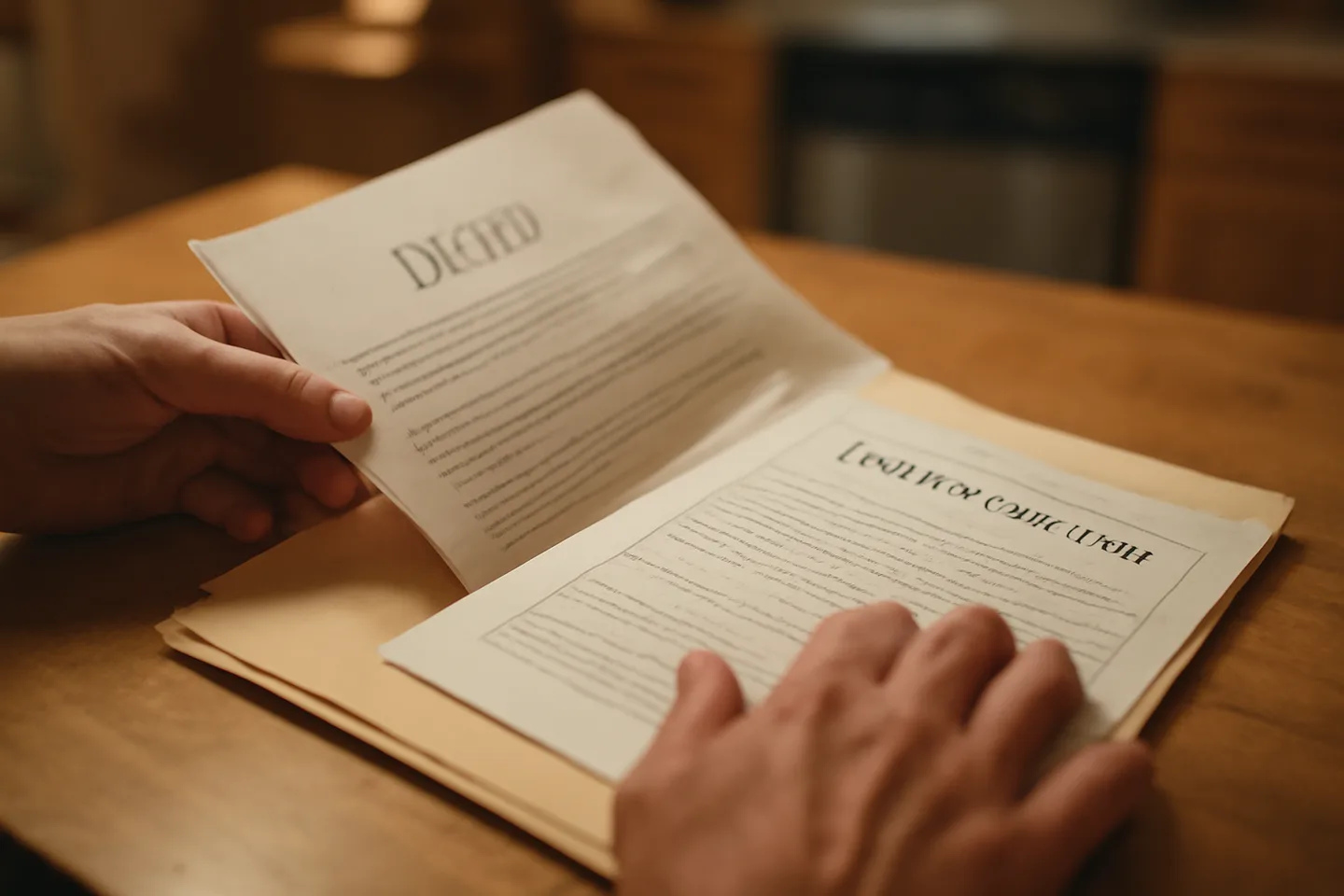
In Florida, most inherited real estate must go through probate before it can be sold. According to the Florida Bar, probate is the court-supervised process that establishes legal authority to transfer inherited property. The executor named in the will is responsible for managing the estate and overseeing the sale process. If there is no will, Florida intestacy law determines which heirs inherit land and in what proportion.
Once probate is complete and title transfers to the heirs, you can sell inherited land through several channels. If you want to know how to sell quickly, working with a direct land buyer eliminates the listing process and can close in as little as 2 weeks. For those who prefer the open market, listing with a real estate agent who understands vacant land in Florida is another option. Either way, understanding what your inherited land is worth before negotiating is critical.
Florida offers two types of probate: Summary Administration for estates valued under $75,000, and Formal Administration for larger estates. Formal Administration typically takes six months to over a year. During this time, the executor handles debts, property taxes, and any disputes among heirs. If heirs cannot agree, one party can file a partition action to force the sale. Before you sell, check whether any outstanding liens or debts are tied to the property. Capital gains tax applies to any appreciation above the stepped-up basis, though Florida imposes no state-level capital gains tax. Understanding the selling process and knowing how to sell inherited property in Florida helps you avoid costly mistakes. If the heir property involves multiple owners, each co-owner's share determines how the proceeds are divided. Market conditions and impact value should factor into your timing. If you are ready to sell land in Florida, learning the steps to sell land fast can help you move forward efficiently.
Potential Challenges With Tax Implications in FL
Selling inherited property in Florida involves several challenges that can slow down or complicate a successful sale. Understanding these upfront will help you make an informed decision and navigate the complexities of selling with confidence.
Probate delays. The probate process in Florida can take six months to over a year for formal administration. Creditors have three months from the published Notice to Creditors to file claims, which extends the timeline before you can sell the property. If you want to sell the land quickly, ask your attorney about Summary Administration or whether the property can bypass probate through a Lady Bird Deed, trust, or right of survivorship.
Multiple heirs and disagreements. When heirs cannot reach an agreement on whether to sell, the process stalls. Each co-owner has the right to file a partition action, which asks the court to force the sale and divide the proceeds. This adds complexity, legal costs, and time. Reaching a consensus early saves everyone money and stress.
Tax consequences. While Florida has no state estate or inheritance tax, federal capital gains tax still applies if you sell the property above the stepped-up basis. You will not pay taxes on appreciation that occurred before you inherited the property, but any gain after that date is taxable. Consult a tax professional to understand what you may owe. If you want to sell the land and want to navigate Florida's specific requirements, working with a Sarasota County real estate attorney or a local title company can help you make informed decisions and avoid surprises at closing.
Heir Property FAQ for Florida Landowners
These are the most common questions Florida landowners ask about inherited properties.
Do I have to pay taxes on inherited land that I sell?
Florida has no state inheritance or estate tax. However, federal capital gains tax applies to the sale of inherited properties when the sale price exceeds the stepped-up basis (fair market value on the date of death). Inherited property is always taxed at long-term capital gains rates regardless of how long you hold it, meaning rates of 0%, 15%, or 20% depending on your income. If the land doesn't appreciate after you inherit it and you sell at or below the stepped-up value, you owe nothing. A real estate professional or tax advisor can help you calculate your liability and determine whether the sale is taxable. If you choose to sell your inherited property soon after receiving it, the potential tax may be minimal.
Is it better to keep or sell an inherited property?
It depends on your financial goals and the property's earning potential. If the inherited land can be used as a rental property or has strong development potential, keeping it may make sense. However, most vacant land generates no income while costing you property taxes, insurance, and maintenance every year. Many heirs who inherit properties they cannot visit or maintain find that selling is the practical choice. If you are ready to sell, a direct land buyer can close quickly and handle the paperwork. The market value of the property at the time of inheritance determines your basis, and selling soon minimizes exposure to market fluctuations. Land that holds sentimental value is harder to part with, but the financial reality often favors a sale. A real estate agent experienced with Florida land can help you weigh your options.
Inherited Land Is Worth: What to Do Next
Selling inherited land in Florida comes down to understanding probate, getting a fair appraisal, and knowing your tax obligations under state law. Whether the property is vacant land near the coast or a rural parcel inland, the process follows the same legal framework. Start by confirming your ownership, ordering an appraisal to establish fair market value, and consulting an attorney if multiple heirs are involved.
If you are ready to explore selling, our team at Florida Land Buyers can help. We provide no-obligation cash offers on inherited Florida land and can typically close in as little as 2 weeks. Reach out to learn more about selling land without a realtor in Florida.
Need to sell your Florida land? We buy land directly from owners for cash, with no fees, no commissions, and we close in as little as 2 weeks.
Learn more about selling land in Sarasota County →
Loading form...
Sell Your Florida Land for Cash
Ready to sell? We buy land directly from owners across Florida. Get a fast, no-obligation cash offer.