Sell Land To A Developer in FL: Guide for Landowners
Selling Land To A Developer in FL: The Basics
If you want to sell your land to a developer in Florida, the process is more involved than a typical residential sale, but the payoff can be significant. Developers buy raw parcels, rural acreage, and infill lots for residential subdivisions, commercial projects, and mixed-use communities. What they pay depends on location, zoning, size, and what they plan to build.
The good news is that Florida's growing population and strong construction activity mean developer demand for buildable land remains high. Whether you own a few acres or several hundred, understanding how a developer thinks, and what they need from you, puts you in a much stronger negotiating position. This guide walks you through exactly that.
Background: Selling Land To A Developer in Florida
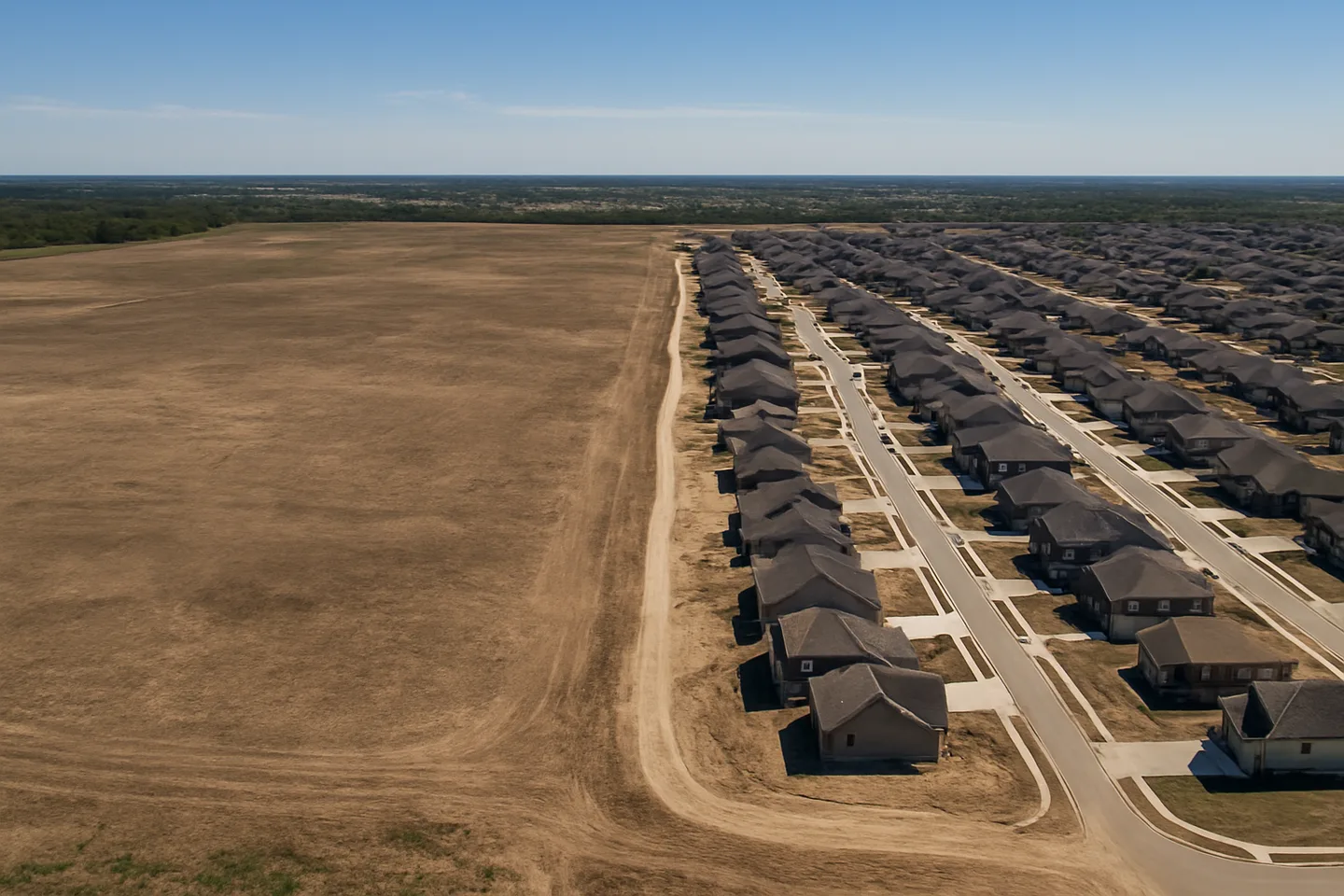
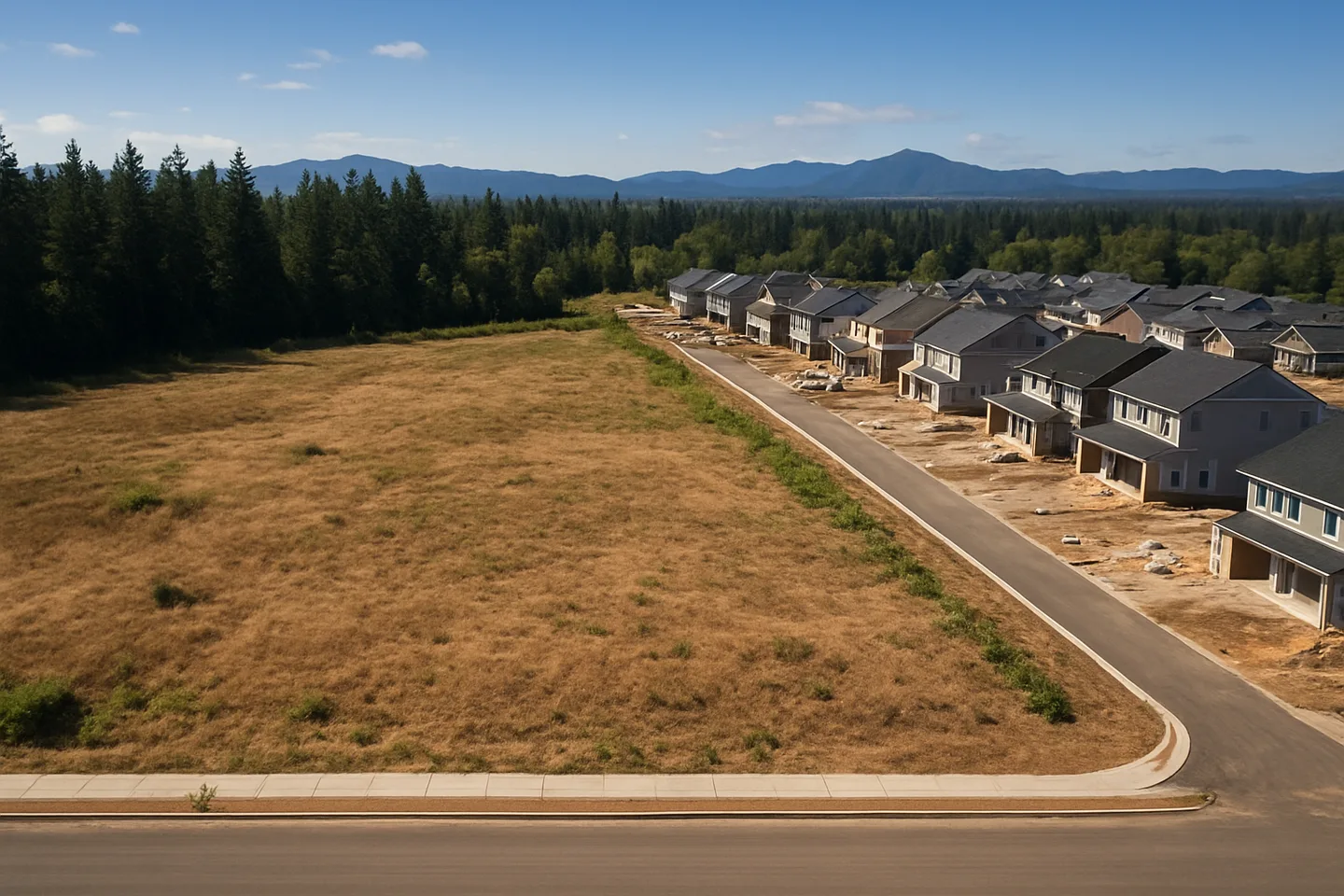
Florida's land market has attracted intense interest from land developers, homebuilders, and commercial property investors for years. Population growth, infrastructure expansion, and favorable business conditions have pushed demand for undeveloped land into nearly every corner of the state, from urban infill sites in Miami to agricultural tracts in the Panhandle.
For any landowner looking to sell, it helps to understand what drives the value of your land in the eyes of a buyer. Potential developers evaluate parcels based on local zoning, proximity to utilities, environmental constraints, and what comparable properties in your area have sold for recently. Current market conditions matter, too, land selling activity tends to follow broader real estate cycles, so timing your sale when demand is strong can meaningfully affect your purchase price.
One thing that surprises many landowners is how much due diligence goes into a land sale. A real estate developer will typically spend weeks, sometimes months, investigating a parcel before committing. Their due diligence often includes soil testing, title review, wetlands assessment, and zoning analysis. As a landowner, being prepared for this process makes you a more credible seller and helps keep the sale process moving.
It is worth deciding early whether to work with a real estate agent who specializes in land or to approach land buyers and developers directly. An agent can help you market your land broadly and identify potential developers who are actively acquiring in your area. A real estate attorney is also worth consulting before signing anything, land development contracts often contain contingency clauses and timelines that are easy to misread without legal guidance. Thinking through these decisions before listing helps set you up for a successful sale.
Step-by-Step: How to Sell Land To A Developer in Florida
Knowing where to start makes the entire process less overwhelming. Here is a practical sequence to follow when you want to sell land to a developer in Florida.
1. Understand your zoning and entitlement status. Before anything else, find out how your parcel is currently zoned. Zoning laws dictate what a developer can build, which directly determines what they will pay. Contact your county's planning department or check your local authorities' online portal to confirm the designation and any overlay restrictions.
2. Gather your property documents. Pull together your deed, survey, tax records, and any environmental studies you already have. Having these ready speeds up the buyer's due diligence and signals that you are a serious seller.
3. Research the real estate market. Look at recent sale of land transactions near your parcel. Understanding local market trends, what raw land is selling for per acre, what development projects are underway nearby, gives you a realistic pricing baseline before you enter any negotiation.
4. Identify the right buyers. Not every developer is a fit for every parcel. Residential homebuilders have different land acquisition criteria than commercial developers or industrial buyers. Research which companies are actively buying in your county and target your outreach accordingly. You can also list your property online on land-specific marketplaces to attract potential land buyers you might not find through local connections alone.
5. Evaluate offers carefully. When offers arrive, look beyond the headline number. Pay attention to contingency periods, earnest money amounts, and what conditions the buyer needs to satisfy before closing. Some developers will ask for a lengthy due diligence window, sometimes 90 to 180 days, to work through permitting questions with local authorities.
6. Negotiate and close. Once you agree on terms, a title company will handle most of the closing mechanics. Understanding the tax implications of a land transaction before you reach this stage is important. You can learn more in our guide to tax on selling land in Florida. Working with legal and financial professionals through the sale of your property ensures nothing gets missed at the finish line.
Florida-Specific Considerations for Selling Land To A Developer
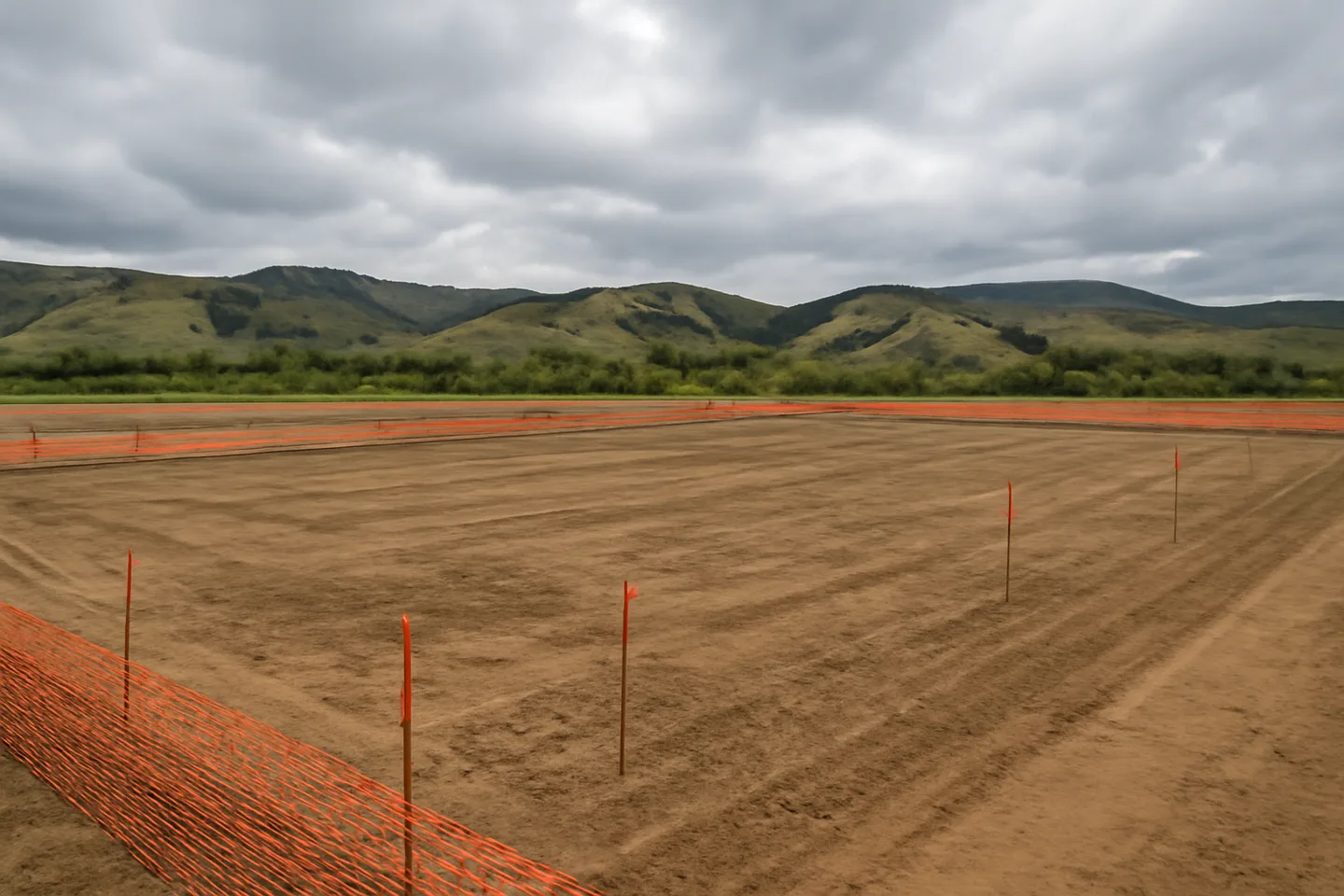
Florida has its own legal and environmental landscape that shapes the process of selling land in ways that differ from other states. Being aware of these factors before you begin the selling process can save you significant time and money.
Wetlands and environmental permitting. Florida's Environmental Resource Permitting program regulates not just wetlands but also upland activities that alter surface water flows. According to the Florida Department of Environmental Protection, any land clearing, filling, or excavation that impacts wetlands requires an Environmental Resource Permit. Developers often factor permitting timelines, which can range from weeks to several months, into their offers. If your parcel has wetland features, this can significantly impact both the timeline and the land value a buyer assigns to it.
Zoning regulations and rezoning. The potential for development on your land is tightly tied to how it is zoned. Developers often pursue rezoning after purchasing a parcel to unlock higher-density or commercial real estate uses. Some landowners choose to initiate rezoning themselves before listing your property, which can increase market value, but it also takes time and carries no guarantee of approval. Understanding whether your land's potential is already reflected in current zoning regulations, or whether it requires a change, is a key early step.
Documentary stamp tax. Florida charges a documentary stamp tax on deed transfers. According to the Florida Department of Revenue, the rate is $0.70 per $100 of consideration in most counties, meaning a $500,000 land sale carries a $3,500 tax obligation. If you want to sell in Miami-Dade County, the combined rate rises to $1.05 per $100, making it notably higher than elsewhere in the state.
No state capital gains tax. One genuine financial advantage Florida sellers have is that the state imposes no income tax and therefore no state-level capital gains tax. You will still owe federal capital gains tax on your profits, but avoiding the state layer, which in places like California can reach double digits, puts more money in your pocket at closing.
Disclosure obligations. Florida law requires sellers to disclose all known facts that materially affect property value, even for vacant land. This obligation applies whether defects are physical, environmental, or related to zoning. Flood disclosure requirements were also expanded under Florida Statute 689.302 as of October 1, 2025, requiring sellers to disclose flood damage, insurance claims, and federal assistance received during their ownership.
Common Questions About Selling Land To A Developer in Florida
How much will a developer pay for land?
There is no single answer, because developers price land based on what they can build and what that development will ultimately be worth. They work backward from projected revenue, subtracting construction costs, permitting fees, and profit margin to arrive at what they can pay for the parcel. Similar properties in your area, current zoning, and whether the land is ready to build or still needs entitlement work all influence the offer. Development land that is already zoned for the buyer's intended use commands a higher price than raw land requiring a rezoning process. According to industry data, completing the entitlement process before selling can produce prices 3-5 times higher than a quick cash sale, but it takes 6-18 months and carries real risk.
How to avoid paying capital gains when selling land?
One widely used strategy is a 1031 exchange. Under IRS Section 1031, vacant land held for investment or business purposes qualifies for a like-kind exchange, allowing you to defer federal capital gains taxes by rolling proceeds into a replacement property of equal or greater value. You have 45 days to identify the replacement and 180 days to close. Another approach some property owners explore is an installment sale, which spreads the gain across multiple tax years. High-income sellers should also be aware of the 3.8% Net Investment Income Tax that may apply on top of standard capital gains rates. A tax professional familiar with land's value and development transactions is worth consulting before you close.
Are you thinking about selling your land?
If you are asking yourself whether now is the right time, a few things are worth considering. First, check what potential buyers are paying for land for development in your county right now. A real estate professional or land broker can pull recent comparable sales quickly. Second, think about what stage your parcel is at. A vacant lot with clear title, good road access, and favorable zoning is much easier to sell than an encumbered parcel in a poorly defined zone. Developers are skilled at identifying opportunities, but they also walk away quickly from complexity. The cleaner your parcel is on paper, the more competitive your offers will be. For tips on moving quickly, see our guide on how to sell land fast in Florida.
Can You Sell Land to a Developer Without a Solicitor?
In Florida, there is no legal requirement to hire an attorney to close a land sale, but it is strongly advisable, especially in developer transactions. Developer purchase contracts are written to protect the buyer, not the seller. They often include contingencies, option periods, and planning consultants' approval clauses that give the developer significant flexibility to renegotiate or walk away. Joint ventures and option agreements add another layer of complexity. A real estate attorney familiar with development land transactions can review contract terms, flag problematic clauses, and make sure your interests are protected through closing. The cost is modest relative to the deal size and the risk of signing something you do not fully understand.
Your Options for Selling Land To A Developer in FL
Selling land to developers in Florida involves more moving parts than a standard property transaction, environmental conditions, zoning, disclosure obligations, and tax implications all play a role. Taking time to understand each factor, especially how environmental assessments and entitlement status can significantly increase what a buyer is willing to pay, puts you in the strongest possible position.
Whether you own acreage in a growing corridor or a vacant parcel closer to an urban center, the right preparation makes a real difference. Sarasota County landowners and sellers across Florida are welcome to reach out to our team if they would like a straightforward conversation about their options, no pressure, just honest guidance on what your land may be worth and how the process works.
Need to sell your Florida land? We buy land directly from owners for cash, with no fees, no commissions, and we close in as little as 2 weeks.
Learn more about selling land in Sarasota County →
Loading form...
Sell Your Florida Land for Cash
Ready to sell? We buy land directly from owners across Florida. Get a fast, no-obligation cash offer.